A seed conditioner adjusts moisture to 10-12% and temperature to 60-70°C before flaking, making seeds pliable enough for efficient, low-power flaking. It sits between cracking and flaking in the process line, and getting this step right has a direct, measurable effect on how much power the flaker downstream consumes.
Why seeds need conditioning before flaking
Cracked seed straight off the cracker typically arrives with moisture around 8-10% — too dry and brittle to flake cleanly. Pushing dry, brittle material through a flaker's roll gap produces excess fines rather than clean flakes, and fines cause channeling problems later in the extraction column. Conditioning raises moisture into the 10-12% range using direct steam injection combined with indirect heating, giving the seed the plasticity it needs to deform into a flake rather than shatter.
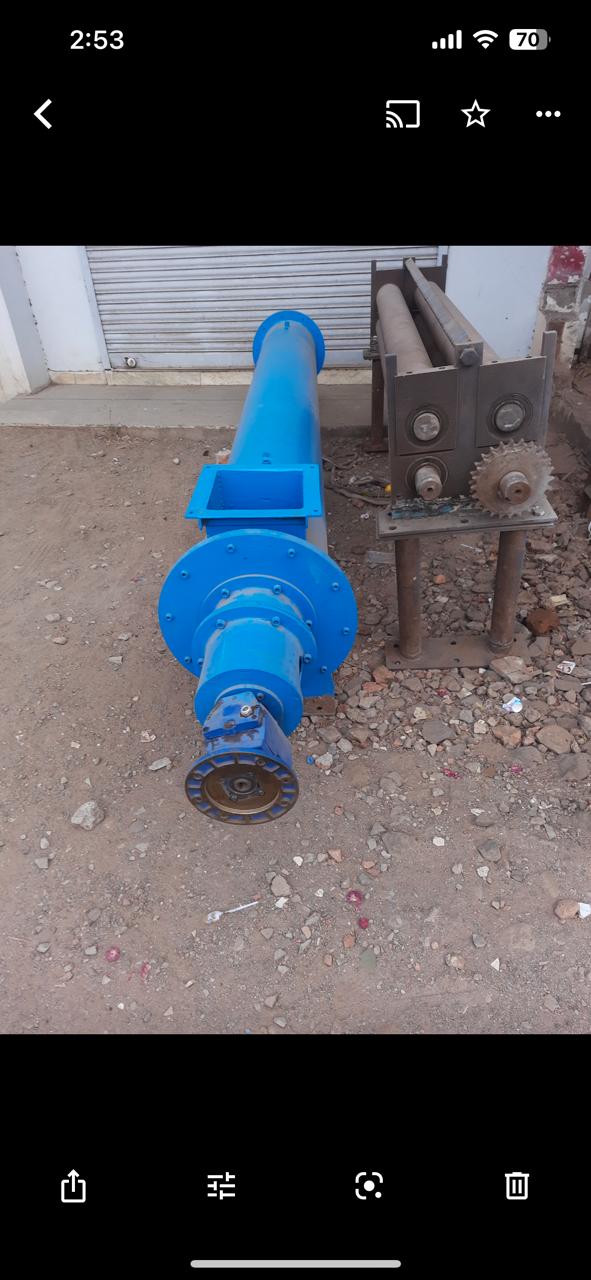
How the conditioning process runs
Seeds spend 15-30 minutes inside the conditioner, long enough for steam and indirect heat to penetrate evenly through the seed bed rather than just surface-treating it. Efficient internal mixing is what makes this uniform — without it, seeds near the heating surface would over-condition while seeds in the center stay under-treated, producing inconsistent flakes downstream. Stainless steel construction handles the steam and moisture environment without corrosion over years of continuous duty.
Specifications
- Moisture control: 10-12% target (from 8-10% incoming)
- Temperature range: 60-70°C
- Heating method: direct steam injection plus indirect heating
- Residence time: 15-30 minutes
- Capacity range: 50-500 TPD
What good conditioning delivers downstream
The 15-20% reduction in flaking power consumption isn't incidental — it's the direct result of feeding the flaker seed that's actually plastic enough to flake without resistance. Poorly conditioned seed forces the flaker to work harder per tonne and generates more fines, which is wasted oil-bearing material that never makes it cleanly into the extraction stage. For soybean, sunflower, rapeseed, cottonseed, and groundnut lines alike, the conditioner is where flake quality gets decided before the seed ever reaches the flaking rolls.
Conditioner or cooker — knowing which you need
Most standard oilseed varieties are well served by a conditioner's 15-30 minute cycle at 60-70°C. Seeds with higher protein content or tougher internal structure, high-protein soybean being the typical example, often need the longer 20-40 minute multi-stage treatment a cooker provides instead, since standard conditioning doesn't give heat enough time to fully denature proteins in more resistant seed. The temperature range is the same in both cases — the deciding factor is how much residence time your feedstock actually needs to reach the plasticity or protein treatment the next stage depends on.
Interested in our industrial equipment?
Our engineering team, based in Indore, Madhya Pradesh, India, will recommend the right solution for your plant requirements.
Request a quote